
Stay informed
Stay informed with what’s going on. Browse posts that might be helpful to you or check out an event happening in your area. Come back regularly as this page is kept up-to-date with a lot of relevant information.

Small Business Week celebrates entrepreneurs like you. Running your own business takes courage, dedication and vision.
Let’s chat about how I can support you with solutions designed for small business owners, from protecting your income to planning for growth.
Want to build a stronger foundation for your future. Reach out today.
#SmallBusinessWeek #SmallBusiness
Let’s chat about how I can support you with solutions designed for small business owners, from protecting your income to planning for growth.
Want to build a stronger foundation for your future. Reach out today.
#SmallBusinessWeek #SmallBusiness
Small Business Week celebrates entrepreneurs like you. Running your own business takes courage, dedication and vision.
Let’s chat about how I can support you with solutions designed for small business owners, from protecting your income to planning for growth.
Want to build a stronger foundation for your future. Reach out today.
#SmallBusinessWeek #SmallBusiness
Let’s chat about how I can support you with solutions designed for small business owners, from protecting your income to planning for growth.
Want to build a stronger foundation for your future. Reach out today.
#SmallBusinessWeek #SmallBusiness

Personal health insurance
Unexpected health expenses can show up when you least expect them. Personal health insurance can help cover things like prescription drugs, dental care, vision care and more, giving you added peace of mind when provincial coverage doesn't cover it all.
Learn more: https://www.sunlife.ca/en/health/personal-health-insurance/?WT.mc_id=en-ca%3Asocial%3Anetworks%3Ayext%3Aadvisor?WT.mc_id=en-ca%3Asocial%3Anetworks%3Ayext%3Aadvisor
Learn more: https://www.sunlife.ca/en/health/personal-health-insurance/?WT.mc_id=en-ca%3Asocial%3Anetworks%3Ayext%3Aadvisor?WT.mc_id=en-ca%3Asocial%3Anetworks%3Ayext%3Aadvisor

Have you considered how a serious illness could affect your finances while you’re still working and supporting your family?
Critical illness insurance protects more than just your future — it helps safeguard your financial stability during recovery when you need it most.
If you're diagnosed with one of 26 covered illnesses and meet policy requirements, critical illness insurance provides a lump-sum benefit you can use for whatever matters: medical expenses, mortgage payments, lost income or ongoing care. That means you can focus on getting better instead of worrying about finances.
Those eligible can benefit from 10% lower premiums for life when you bundle critical illness coverage with other protection solutions. This rate locks in permanently giving you lasting financial security. Get in touch to see if this offer is right for you. https://advisor.sunlife.ca/hollie.winkelaar/
*Terms and conditions apply
Critical illness insurance protects more than just your future — it helps safeguard your financial stability during recovery when you need it most.
If you're diagnosed with one of 26 covered illnesses and meet policy requirements, critical illness insurance provides a lump-sum benefit you can use for whatever matters: medical expenses, mortgage payments, lost income or ongoing care. That means you can focus on getting better instead of worrying about finances.
Those eligible can benefit from 10% lower premiums for life when you bundle critical illness coverage with other protection solutions. This rate locks in permanently giving you lasting financial security. Get in touch to see if this offer is right for you. https://advisor.sunlife.ca/hollie.winkelaar/
*Terms and conditions apply
Have you considered how a serious illness could affect your finances while you’re still working and supporting your family?
Critical illness insurance protects more than just your future — it helps safeguard your financial stability during recovery when you need it most.
If you're diagnosed with one of 26 covered illnesses and meet policy requirements, critical illness insurance provides a lump-sum benefit you can use for whatever matters: medical expenses, mortgage payments, lost income or ongoing care. That means you can focus on getting better instead of worrying about finances.
Those eligible can benefit from 10% lower premiums for life when you bundle critical illness coverage with other protection solutions. This rate locks in permanently giving you lasting financial security. Get in touch to see if this offer is right for you. https://advisor.sunlife.ca/hollie.winkelaar/
*Terms and conditions apply
Critical illness insurance protects more than just your future — it helps safeguard your financial stability during recovery when you need it most.
If you're diagnosed with one of 26 covered illnesses and meet policy requirements, critical illness insurance provides a lump-sum benefit you can use for whatever matters: medical expenses, mortgage payments, lost income or ongoing care. That means you can focus on getting better instead of worrying about finances.
Those eligible can benefit from 10% lower premiums for life when you bundle critical illness coverage with other protection solutions. This rate locks in permanently giving you lasting financial security. Get in touch to see if this offer is right for you. https://advisor.sunlife.ca/hollie.winkelaar/
*Terms and conditions apply

What's your biggest concern when it comes to life insurance?
📊 Vote in the comments:
1- I'm not sure how much coverage I need
2 - It feels too expensive
3 - I don't know where to start
4 - I'm worried about my family's future
5 - All the above
Life insurance isn't one-size-fits-all. Your situation is unique. We're here to help you find a solution that works for you and your loved ones. Share your thoughts; we'd love to hear from you.
📊 Vote in the comments:
1- I'm not sure how much coverage I need
2 - It feels too expensive
3 - I don't know where to start
4 - I'm worried about my family's future
5 - All the above
Life insurance isn't one-size-fits-all. Your situation is unique. We're here to help you find a solution that works for you and your loved ones. Share your thoughts; we'd love to hear from you.
What's your biggest concern when it comes to life insurance?
📊 Vote in the comments:
1- I'm not sure how much coverage I need
2 - It feels too expensive
3 - I don't know where to start
4 - I'm worried about my family's future
5 - All the above
Life insurance isn't one-size-fits-all. Your situation is unique. We're here to help you find a solution that works for you and your loved ones. Share your thoughts; we'd love to hear from you.
📊 Vote in the comments:
1- I'm not sure how much coverage I need
2 - It feels too expensive
3 - I don't know where to start
4 - I'm worried about my family's future
5 - All the above
Life insurance isn't one-size-fits-all. Your situation is unique. We're here to help you find a solution that works for you and your loved ones. Share your thoughts; we'd love to hear from you.

Retirement planning doesn't have to be complicated. Sun Life One Plan helps turn your goals into a personalized financial roadmap so you can track your progress and plan for what matters most.
Ready to get started? Let's connect. https://advisor.sunlife.ca/hollie.winkelaar/
#SunLifeOnePlan #SunLife
Ready to get started? Let's connect. https://advisor.sunlife.ca/hollie.winkelaar/
#SunLifeOnePlan #SunLife
Retirement planning doesn't have to be complicated. Sun Life One Plan helps turn your goals into a personalized financial roadmap so you can track your progress and plan for what matters most.
Ready to get started? Let's connect. https://advisor.sunlife.ca/hollie.winkelaar/
#SunLifeOnePlan #SunLife
Ready to get started? Let's connect. https://advisor.sunlife.ca/hollie.winkelaar/
#SunLifeOnePlan #SunLife

Business owners spend years building a successful company, but many give less thought to what happens when they're ready to step away.
Whether retirement is 5 years away or 15, having a succession strategy in place can help you identify ways to protect what you've built and preserve its value.
Let's explore ways to help prepare your business and personal finances for whatever comes next. https://advisor.sunlife.ca/hollie.winkelaar/
Whether retirement is 5 years away or 15, having a succession strategy in place can help you identify ways to protect what you've built and preserve its value.
Let's explore ways to help prepare your business and personal finances for whatever comes next. https://advisor.sunlife.ca/hollie.winkelaar/
Business owners spend years building a successful company, but many give less thought to what happens when they're ready to step away.
Whether retirement is 5 years away or 15, having a succession strategy in place can help you identify ways to protect what you've built and preserve its value.
Let's explore ways to help prepare your business and personal finances for whatever comes next. https://advisor.sunlife.ca/hollie.winkelaar/
Whether retirement is 5 years away or 15, having a succession strategy in place can help you identify ways to protect what you've built and preserve its value.
Let's explore ways to help prepare your business and personal finances for whatever comes next. https://advisor.sunlife.ca/hollie.winkelaar/

Insurance isn't just about preparing for the unexpected. It's about helping protect the people, goals and plans that matter most to you.
What gives you the greatest peace of mind?
❤️ Family
🏠 Home
💼 Business
💰 Financial future
Share below, and let's discuss protection strategies tailored to your needs.
What gives you the greatest peace of mind?
❤️ Family
🏠 Home
💼 Business
💰 Financial future
Share below, and let's discuss protection strategies tailored to your needs.
Insurance isn't just about preparing for the unexpected. It's about helping protect the people, goals and plans that matter most to you.
What gives you the greatest peace of mind?
❤️ Family
🏠 Home
💼 Business
💰 Financial future
Share below, and let's discuss protection strategies tailored to your needs.
What gives you the greatest peace of mind?
❤️ Family
🏠 Home
💼 Business
💰 Financial future
Share below, and let's discuss protection strategies tailored to your needs.

Building financial confidence doesn't always require dramatic changes.
Sometimes it's as simple as automating savings, reviewing spending habits or increasing contributions by a small amount. Consistent actions can make a difference over time.
Let's talk about practical strategies that fit your lifestyle. https://advisor.sunlife.ca/hollie.winkelaar/
Sometimes it's as simple as automating savings, reviewing spending habits or increasing contributions by a small amount. Consistent actions can make a difference over time.
Let's talk about practical strategies that fit your lifestyle. https://advisor.sunlife.ca/hollie.winkelaar/
Building financial confidence doesn't always require dramatic changes.
Sometimes it's as simple as automating savings, reviewing spending habits or increasing contributions by a small amount. Consistent actions can make a difference over time.
Let's talk about practical strategies that fit your lifestyle. https://advisor.sunlife.ca/hollie.winkelaar/
Sometimes it's as simple as automating savings, reviewing spending habits or increasing contributions by a small amount. Consistent actions can make a difference over time.
Let's talk about practical strategies that fit your lifestyle. https://advisor.sunlife.ca/hollie.winkelaar/
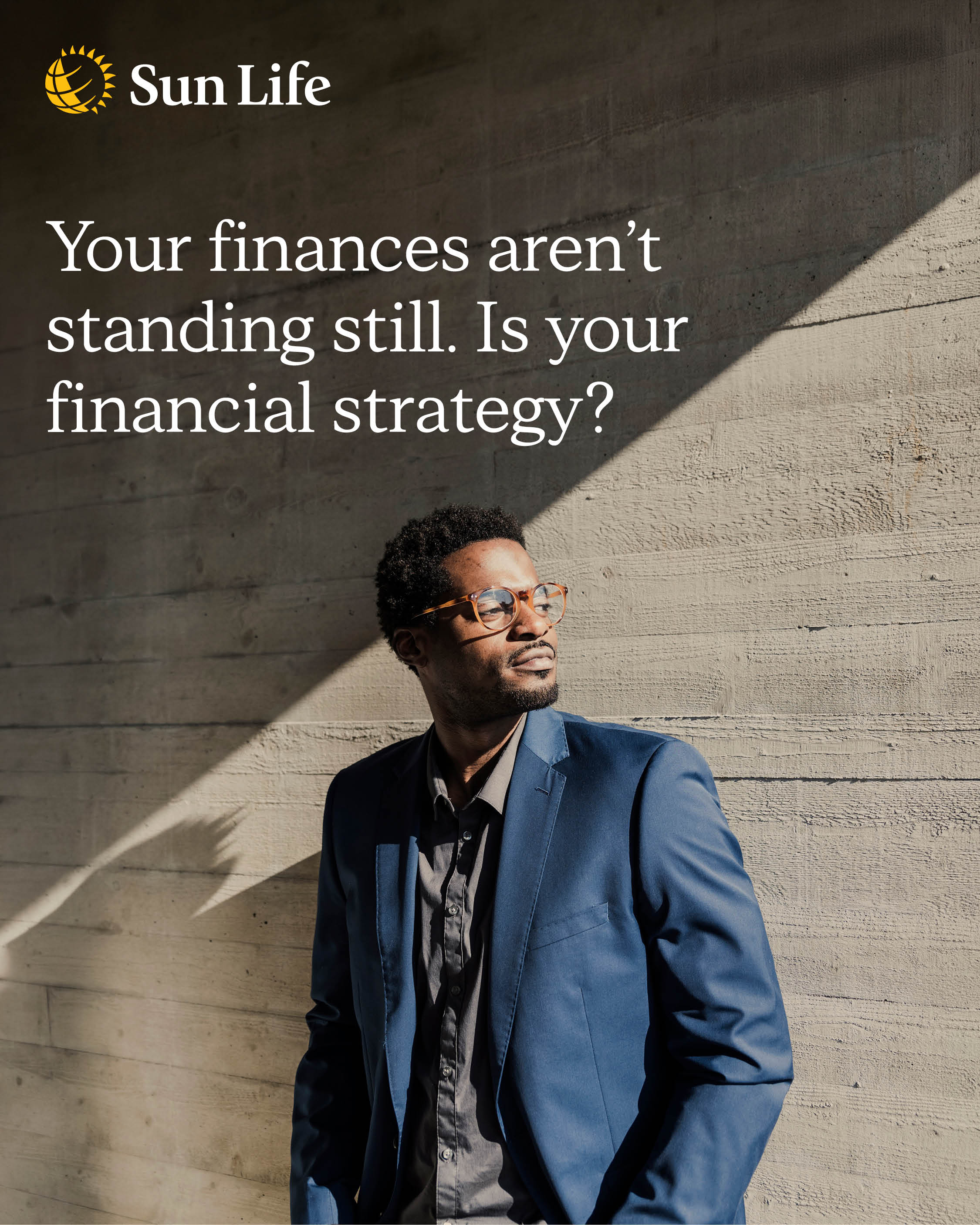
Major life changes, even positive ones, can affect your tax strategy, estate plans and long-term financial goals.
A business sale, inheritance, real estate purchase or family milestone may all impact your long-term plans.
Fall is an ideal time to revisit your goals.
Let's review what's changed and whether your strategy still reflects the financial future you have in mind. https://advisor.sunlife.ca/hollie.winkelaar/
A business sale, inheritance, real estate purchase or family milestone may all impact your long-term plans.
Fall is an ideal time to revisit your goals.
Let's review what's changed and whether your strategy still reflects the financial future you have in mind. https://advisor.sunlife.ca/hollie.winkelaar/
Major life changes, even positive ones, can affect your tax strategy, estate plans and long-term financial goals.
A business sale, inheritance, real estate purchase or family milestone may all impact your long-term plans.
Fall is an ideal time to revisit your goals.
Let's review what's changed and whether your strategy still reflects the financial future you have in mind. https://advisor.sunlife.ca/hollie.winkelaar/
A business sale, inheritance, real estate purchase or family milestone may all impact your long-term plans.
Fall is an ideal time to revisit your goals.
Let's review what's changed and whether your strategy still reflects the financial future you have in mind. https://advisor.sunlife.ca/hollie.winkelaar/

保险不只是为突发意外做好准备, 它更能用来守护对您而言最重要的人、目标与人生规划。
什么最能让您感到安心?
❤️ 家人
🏠 居所
💼 事业
💰 未来财务保障
在下方分享您的想法,我们一同探讨贴合您需求的保障方案。
什么最能让您感到安心?
❤️ 家人
🏠 居所
💼 事业
💰 未来财务保障
在下方分享您的想法,我们一同探讨贴合您需求的保障方案。
保险不只是为突发意外做好准备, 它更能用来守护对您而言最重要的人、目标与人生规划。
什么最能让您感到安心?
❤️ 家人
🏠 居所
💼 事业
💰 未来财务保障
在下方分享您的想法,我们一同探讨贴合您需求的保障方案。
什么最能让您感到安心?
❤️ 家人
🏠 居所
💼 事业
💰 未来财务保障
在下方分享您的想法,我们一同探讨贴合您需求的保障方案。

保險不只是為突發狀況做好準備, 更是幫助守護對您最重要的人、目標和計劃。
甚麼最能讓您感到安心?
❤️ 家人
🏠 家居
💼 業務
💰 財務未來
請在下方分享,讓我們一起討論切合您需要的保障策略。
甚麼最能讓您感到安心?
❤️ 家人
🏠 家居
💼 業務
💰 財務未來
請在下方分享,讓我們一起討論切合您需要的保障策略。
保險不只是為突發狀況做好準備, 更是幫助守護對您最重要的人、目標和計劃。
甚麼最能讓您感到安心?
❤️ 家人
🏠 家居
💼 業務
💰 財務未來
請在下方分享,讓我們一起討論切合您需要的保障策略。
甚麼最能讓您感到安心?
❤️ 家人
🏠 家居
💼 業務
💰 財務未來
請在下方分享,讓我們一起討論切合您需要的保障策略。

Markets change. Priorities change. Life evolves and financial priorities often evolve with it. A review today can help keep your retirement roadmap aligned with your goals tomorrow.
Book a retirement roadmap session, and let's see where you stand.
Book a retirement roadmap session, and let's see where you stand.
Markets change. Priorities change. Life evolves and financial priorities often evolve with it. A review today can help keep your retirement roadmap aligned with your goals tomorrow.
Book a retirement roadmap session, and let's see where you stand.
Book a retirement roadmap session, and let's see where you stand.

If you could improve just one area of your business before the end of the year, what would it be?
💬 Cash flow
💬 Tax planning
💬 Growth
💬 Succession planning
Share below and reach out if you'd like to have a conversation about closing off this quarter with confidence. https://advisor.sunlife.ca/hollie.winkelaar/
💬 Cash flow
💬 Tax planning
💬 Growth
💬 Succession planning
Share below and reach out if you'd like to have a conversation about closing off this quarter with confidence. https://advisor.sunlife.ca/hollie.winkelaar/
If you could improve just one area of your business before the end of the year, what would it be?
💬 Cash flow
💬 Tax planning
💬 Growth
💬 Succession planning
Share below and reach out if you'd like to have a conversation about closing off this quarter with confidence. https://advisor.sunlife.ca/hollie.winkelaar/
💬 Cash flow
💬 Tax planning
💬 Growth
💬 Succession planning
Share below and reach out if you'd like to have a conversation about closing off this quarter with confidence. https://advisor.sunlife.ca/hollie.winkelaar/

Coverage that made sense several years ago may no longer align with your current circumstances. A new home, growing family, career change or business milestone can all affect your insurance needs.
If it's been a while since you reviewed your coverage, this may be a good time to revisit it. Let's review your current protection strategy and make sure it still fits your needs. https://advisor.sunlife.ca/hollie.winkelaar/
If it's been a while since you reviewed your coverage, this may be a good time to revisit it. Let's review your current protection strategy and make sure it still fits your needs. https://advisor.sunlife.ca/hollie.winkelaar/
Coverage that made sense several years ago may no longer align with your current circumstances. A new home, growing family, career change or business milestone can all affect your insurance needs.
If it's been a while since you reviewed your coverage, this may be a good time to revisit it. Let's review your current protection strategy and make sure it still fits your needs. https://advisor.sunlife.ca/hollie.winkelaar/
If it's been a while since you reviewed your coverage, this may be a good time to revisit it. Let's review your current protection strategy and make sure it still fits your needs. https://advisor.sunlife.ca/hollie.winkelaar/

September often brings fresh routines, new schedules and a chance to reset. It's also a great time to revisit financial goals. Whether you're saving for a home, planning a family vacation or building your emergency fund.
What's one financial goal you're focusing on this fall? Let us know in the comments below. 🍂
What's one financial goal you're focusing on this fall? Let us know in the comments below. 🍂
September often brings fresh routines, new schedules and a chance to reset. It's also a great time to revisit financial goals. Whether you're saving for a home, planning a family vacation or building your emergency fund.
What's one financial goal you're focusing on this fall? Let us know in the comments below. 🍂
What's one financial goal you're focusing on this fall? Let us know in the comments below. 🍂

Estate planning isn't only about passing on wealth. It's about helping ensure your wishes are understood and your loved ones are supported
Discussing your preferences and working with legal and tax professionals where needed can help provide greater clarity for you and your loved ones.
Reach out if you'd like to discuss strategies that could support your legacy goals.
Discussing your preferences and working with legal and tax professionals where needed can help provide greater clarity for you and your loved ones.
Reach out if you'd like to discuss strategies that could support your legacy goals.
Estate planning isn't only about passing on wealth. It's about helping ensure your wishes are understood and your loved ones are supported
Discussing your preferences and working with legal and tax professionals where needed can help provide greater clarity for you and your loved ones.
Reach out if you'd like to discuss strategies that could support your legacy goals.
Discussing your preferences and working with legal and tax professionals where needed can help provide greater clarity for you and your loved ones.
Reach out if you'd like to discuss strategies that could support your legacy goals.

More travel? Less stress? More time with family? Retirement planning involves more than saving enough money. It's about creating a life you look forward to.
What does your ideal retirement include? Share one thing in the comments. ⬇️
If you're building toward retirement, together we can review if your financial strategy is aligned with the future you envision. https://advisor.sunlife.ca/hollie.winkelaar/
What does your ideal retirement include? Share one thing in the comments. ⬇️
If you're building toward retirement, together we can review if your financial strategy is aligned with the future you envision. https://advisor.sunlife.ca/hollie.winkelaar/
More travel? Less stress? More time with family? Retirement planning involves more than saving enough money. It's about creating a life you look forward to.
What does your ideal retirement include? Share one thing in the comments. ⬇️
If you're building toward retirement, together we can review if your financial strategy is aligned with the future you envision. https://advisor.sunlife.ca/hollie.winkelaar/
What does your ideal retirement include? Share one thing in the comments. ⬇️
If you're building toward retirement, together we can review if your financial strategy is aligned with the future you envision. https://advisor.sunlife.ca/hollie.winkelaar/

九月往往帶來新的日常節奏和時間表,這不僅是找回好狀態的絕佳時刻,也是重新梳理財務目標的好時機——無論您是在為置業儲蓄、計劃家庭旅行,還是建立應急基金。
這個秋季,你想實現哪一項財務目標?請在下方評論區分享。🍂
這個秋季,你想實現哪一項財務目標?請在下方評論區分享。🍂
九月往往帶來新的日常節奏和時間表,這不僅是找回好狀態的絕佳時刻,也是重新梳理財務目標的好時機——無論您是在為置業儲蓄、計劃家庭旅行,還是建立應急基金。
這個秋季,你想實現哪一項財務目標?請在下方評論區分享。🍂
這個秋季,你想實現哪一項財務目標?請在下方評論區分享。🍂

You’ve invested years into building your business, but what’s your plan for what comes next?
Whether you’re thinking about stepping back, selling, or passing it on, a thoughtful strategy can help you transition your business into lasting personal and family wealth.
The earlier you start, the more options you have. Reach out to start planning your next chapter on your terms. https://advisor.sunlife.ca/hollie.winkelaar/
Whether you’re thinking about stepping back, selling, or passing it on, a thoughtful strategy can help you transition your business into lasting personal and family wealth.
The earlier you start, the more options you have. Reach out to start planning your next chapter on your terms. https://advisor.sunlife.ca/hollie.winkelaar/
You’ve invested years into building your business, but what’s your plan for what comes next?
Whether you’re thinking about stepping back, selling, or passing it on, a thoughtful strategy can help you transition your business into lasting personal and family wealth.
The earlier you start, the more options you have. Reach out to start planning your next chapter on your terms. https://advisor.sunlife.ca/hollie.winkelaar/
Whether you’re thinking about stepping back, selling, or passing it on, a thoughtful strategy can help you transition your business into lasting personal and family wealth.
The earlier you start, the more options you have. Reach out to start planning your next chapter on your terms. https://advisor.sunlife.ca/hollie.winkelaar/

Your mortgage is likely one of your biggest financial commitments. What happens to it if something unexpected occurs? Mortgage protection solutions help ensure your family can keep your home secure, no matter what life brings. Let's review your coverage and give you peace of mind. Reach out to discuss your options today. https://advisor.sunlife.ca/hollie.winkelaar/
Your mortgage is likely one of your biggest financial commitments. What happens to it if something unexpected occurs? Mortgage protection solutions help ensure your family can keep your home secure, no matter what life brings. Let's review your coverage and give you peace of mind. Reach out to discuss your options today. https://advisor.sunlife.ca/hollie.winkelaar/

Have questions?
Here to help answer your questions, provide clarity about products and get you started on the road to achieving your goals.