
Stay informed
Stay informed with what’s going on. Browse posts that might be helpful to you or check out an event happening in your area. Come back regularly as this page is kept up-to-date with a lot of relevant information.

How to create a budget
The holidays are just around the corner, and so are the expenses that come with them.
Set a budget before you shop. It'll help you enjoy the season without as much financial stress in January.
Need a bit of inspiration? Polish up on your budgeting skills here https://www.sunlife.ca/en/tools-and-resources/money-and-finances/managing-your-money/how-to-create-a-budget/?WT.mc_id=en-ca%3Asocial%3Anetworks%3Ayext%3Aadvisor?WT.mc_id=en-ca%3Asocial%3Anetworks%3Ayext%3Aadvisor
Set a budget before you shop. It'll help you enjoy the season without as much financial stress in January.
Need a bit of inspiration? Polish up on your budgeting skills here https://www.sunlife.ca/en/tools-and-resources/money-and-finances/managing-your-money/how-to-create-a-budget/?WT.mc_id=en-ca%3Asocial%3Anetworks%3Ayext%3Aadvisor?WT.mc_id=en-ca%3Asocial%3Anetworks%3Ayext%3Aadvisor

Personal health insurance
Unexpected health expenses can show up when you least expect them. Personal health insurance can help cover things like prescription drugs, dental care, vision care and more, giving you added peace of mind when provincial coverage doesn't cover it all.
Learn more: https://www.sunlife.ca/en/health/personal-health-insurance/?WT.mc_id=en-ca%3Asocial%3Anetworks%3Ayext%3Aadvisor?WT.mc_id=en-ca%3Asocial%3Anetworks%3Ayext%3Aadvisor
Learn more: https://www.sunlife.ca/en/health/personal-health-insurance/?WT.mc_id=en-ca%3Asocial%3Anetworks%3Ayext%3Aadvisor?WT.mc_id=en-ca%3Asocial%3Anetworks%3Ayext%3Aadvisor

What's your biggest concern when it comes to life insurance?
📊 Vote in the comments:
1- I'm not sure how much coverage I need
2 - It feels too expensive
3 - I don't know where to start
4 - I'm worried about my family's future
5 - All the above
Life insurance isn't one-size-fits-all. Your situation is unique. We're here to help you find a solution that works for you and your loved ones. Share your thoughts; we'd love to hear from you.
📊 Vote in the comments:
1- I'm not sure how much coverage I need
2 - It feels too expensive
3 - I don't know where to start
4 - I'm worried about my family's future
5 - All the above
Life insurance isn't one-size-fits-all. Your situation is unique. We're here to help you find a solution that works for you and your loved ones. Share your thoughts; we'd love to hear from you.
What's your biggest concern when it comes to life insurance?
📊 Vote in the comments:
1- I'm not sure how much coverage I need
2 - It feels too expensive
3 - I don't know where to start
4 - I'm worried about my family's future
5 - All the above
Life insurance isn't one-size-fits-all. Your situation is unique. We're here to help you find a solution that works for you and your loved ones. Share your thoughts; we'd love to hear from you.
📊 Vote in the comments:
1- I'm not sure how much coverage I need
2 - It feels too expensive
3 - I don't know where to start
4 - I'm worried about my family's future
5 - All the above
Life insurance isn't one-size-fits-all. Your situation is unique. We're here to help you find a solution that works for you and your loved ones. Share your thoughts; we'd love to hear from you.

As we look ahead to 2027, it's a great moment to reflect. What worked financially this year? What could you improve? Taking time to review your goals helps you stay on track.
Let’s explore how we can help you map out your next steps. Ready to plan ahead? Get in touch today. https://advisor.sunlife.ca/amal.kilani/
Let’s explore how we can help you map out your next steps. Ready to plan ahead? Get in touch today. https://advisor.sunlife.ca/amal.kilani/
As we look ahead to 2027, it's a great moment to reflect. What worked financially this year? What could you improve? Taking time to review your goals helps you stay on track.
Let’s explore how we can help you map out your next steps. Ready to plan ahead? Get in touch today. https://advisor.sunlife.ca/amal.kilani/
Let’s explore how we can help you map out your next steps. Ready to plan ahead? Get in touch today. https://advisor.sunlife.ca/amal.kilani/

Insurance isn't just about preparing for the unexpected. It's about helping protect the people, goals and plans that matter most to you.
What gives you the greatest peace of mind?
❤️ Family
🏠 Home
💼 Business
💰 Financial future
Share below, and let's discuss protection strategies tailored to your needs.
What gives you the greatest peace of mind?
❤️ Family
🏠 Home
💼 Business
💰 Financial future
Share below, and let's discuss protection strategies tailored to your needs.
Insurance isn't just about preparing for the unexpected. It's about helping protect the people, goals and plans that matter most to you.
What gives you the greatest peace of mind?
❤️ Family
🏠 Home
💼 Business
💰 Financial future
Share below, and let's discuss protection strategies tailored to your needs.
What gives you the greatest peace of mind?
❤️ Family
🏠 Home
💼 Business
💰 Financial future
Share below, and let's discuss protection strategies tailored to your needs.
Major life changes, even positive ones, can affect your tax strategy, estate plans and long-term financial goals.
A business sale, inheritance, real estate purchase or family milestone may all impact your long-term plans.
Fall is an ideal time to revisit your goals.
Let's review what's changed and whether your strategy still reflects the financial future you have in mind. https://advisor.sunlife.ca/amal.kilani/
A business sale, inheritance, real estate purchase or family milestone may all impact your long-term plans.
Fall is an ideal time to revisit your goals.
Let's review what's changed and whether your strategy still reflects the financial future you have in mind. https://advisor.sunlife.ca/amal.kilani/
Major life changes, even positive ones, can affect your tax strategy, estate plans and long-term financial goals.
A business sale, inheritance, real estate purchase or family milestone may all impact your long-term plans.
Fall is an ideal time to revisit your goals.
Let's review what's changed and whether your strategy still reflects the financial future you have in mind. https://advisor.sunlife.ca/amal.kilani/
A business sale, inheritance, real estate purchase or family milestone may all impact your long-term plans.
Fall is an ideal time to revisit your goals.
Let's review what's changed and whether your strategy still reflects the financial future you have in mind. https://advisor.sunlife.ca/amal.kilani/

Investments are one part of a broader financial strategy.
They're tools that can help support retirement, education funding, travel plans, estate goals and more.
A clear strategy starts with understanding what you're investing for in the first place.
Let's connect and discuss how your investments align with your priorities.
They're tools that can help support retirement, education funding, travel plans, estate goals and more.
A clear strategy starts with understanding what you're investing for in the first place.
Let's connect and discuss how your investments align with your priorities.
Investments are one part of a broader financial strategy.
They're tools that can help support retirement, education funding, travel plans, estate goals and more.
A clear strategy starts with understanding what you're investing for in the first place.
Let's connect and discuss how your investments align with your priorities.
They're tools that can help support retirement, education funding, travel plans, estate goals and more.
A clear strategy starts with understanding what you're investing for in the first place.
Let's connect and discuss how your investments align with your priorities.

Coverage that made sense several years ago may no longer align with your current circumstances. A new home, growing family, career change or business milestone can all affect your insurance needs.
If it's been a while since you reviewed your coverage, this may be a good time to revisit it. Let's review your current protection strategy and make sure it still fits your needs. https://advisor.sunlife.ca/amal.kilani/
If it's been a while since you reviewed your coverage, this may be a good time to revisit it. Let's review your current protection strategy and make sure it still fits your needs. https://advisor.sunlife.ca/amal.kilani/
Coverage that made sense several years ago may no longer align with your current circumstances. A new home, growing family, career change or business milestone can all affect your insurance needs.
If it's been a while since you reviewed your coverage, this may be a good time to revisit it. Let's review your current protection strategy and make sure it still fits your needs. https://advisor.sunlife.ca/amal.kilani/
If it's been a while since you reviewed your coverage, this may be a good time to revisit it. Let's review your current protection strategy and make sure it still fits your needs. https://advisor.sunlife.ca/amal.kilani/

Financial peace of mind isn’t just about money. It’s knowing you’re protected, supported, and ready for what comes next. 🤍
A financial advisor can help you:
* Protect what matters most 🛡️
* Grow your wealth 📈
* Make decisions with more confidence
* Navigate different stages of life
You don’t need to have all the answers. You need the right questions and the right guidance.
📩 Let’s talk about what matters to you.
A financial advisor can help you:
* Protect what matters most 🛡️
* Grow your wealth 📈
* Make decisions with more confidence
* Navigate different stages of life
You don’t need to have all the answers. You need the right questions and the right guidance.
📩 Let’s talk about what matters to you.
Financial peace of mind isn’t just about money. It’s knowing you’re protected, supported, and ready for what comes next. 🤍
A financial advisor can help you:
* Protect what matters most 🛡️
* Grow your wealth 📈
* Make decisions with more confidence
* Navigate different stages of life
You don’t need to have all the answers. You need the right questions and the right guidance.
📩 Let’s talk about what matters to you.
A financial advisor can help you:
* Protect what matters most 🛡️
* Grow your wealth 📈
* Make decisions with more confidence
* Navigate different stages of life
You don’t need to have all the answers. You need the right questions and the right guidance.
📩 Let’s talk about what matters to you.

La tranquillité d’esprit financière, ce n’est pas seulement une question d’argent. C’est savoir que vous êtes protégé(e), accompagné(e) et prêt(e) pour ce qui vient. 🤍
Une conseillère financière peut vous aider à :
* Protéger ce qui compte le plus pour vous 🛡️
* Faire croître votre patrimoine 📈
* Prendre des décisions avec plus de confiance
* Vous adapter aux différentes étapes de votre vie
Vous n’avez pas besoin d’avoir toutes les réponses. Vous avez besoin des bonnes questions et du bon accompagnement.
📩 Parlons de vos priorités.
Une conseillère financière peut vous aider à :
* Protéger ce qui compte le plus pour vous 🛡️
* Faire croître votre patrimoine 📈
* Prendre des décisions avec plus de confiance
* Vous adapter aux différentes étapes de votre vie
Vous n’avez pas besoin d’avoir toutes les réponses. Vous avez besoin des bonnes questions et du bon accompagnement.
📩 Parlons de vos priorités.
La tranquillité d’esprit financière, ce n’est pas seulement une question d’argent. C’est savoir que vous êtes protégé(e), accompagné(e) et prêt(e) pour ce qui vient. 🤍
Une conseillère financière peut vous aider à :
* Protéger ce qui compte le plus pour vous 🛡️
* Faire croître votre patrimoine 📈
* Prendre des décisions avec plus de confiance
* Vous adapter aux différentes étapes de votre vie
Vous n’avez pas besoin d’avoir toutes les réponses. Vous avez besoin des bonnes questions et du bon accompagnement.
📩 Parlons de vos priorités.
Une conseillère financière peut vous aider à :
* Protéger ce qui compte le plus pour vous 🛡️
* Faire croître votre patrimoine 📈
* Prendre des décisions avec plus de confiance
* Vous adapter aux différentes étapes de votre vie
Vous n’avez pas besoin d’avoir toutes les réponses. Vous avez besoin des bonnes questions et du bon accompagnement.
📩 Parlons de vos priorités.

Estate planning isn't only about passing on wealth. It's about helping ensure your wishes are understood and your loved ones are supported
Discussing your preferences and working with legal and tax professionals where needed can help provide greater clarity for you and your loved ones.
Reach out if you'd like to discuss strategies that could support your legacy goals.
Discussing your preferences and working with legal and tax professionals where needed can help provide greater clarity for you and your loved ones.
Reach out if you'd like to discuss strategies that could support your legacy goals.
Estate planning isn't only about passing on wealth. It's about helping ensure your wishes are understood and your loved ones are supported
Discussing your preferences and working with legal and tax professionals where needed can help provide greater clarity for you and your loved ones.
Reach out if you'd like to discuss strategies that could support your legacy goals.
Discussing your preferences and working with legal and tax professionals where needed can help provide greater clarity for you and your loved ones.
Reach out if you'd like to discuss strategies that could support your legacy goals.

Many investors spend time trying to predict what markets will do next. Building an investment strategy aligned with your goals and time horizons may help you stay focused during changing market conditions.
Have questions about your investment strategy?
Let's chat about building a roadmap designed around your goals, timing needs and comfort level. https://advisor.sunlife.ca/amal.kilani/
Have questions about your investment strategy?
Let's chat about building a roadmap designed around your goals, timing needs and comfort level. https://advisor.sunlife.ca/amal.kilani/
Many investors spend time trying to predict what markets will do next. Building an investment strategy aligned with your goals and time horizons may help you stay focused during changing market conditions.
Have questions about your investment strategy?
Let's chat about building a roadmap designed around your goals, timing needs and comfort level. https://advisor.sunlife.ca/amal.kilani/
Have questions about your investment strategy?
Let's chat about building a roadmap designed around your goals, timing needs and comfort level. https://advisor.sunlife.ca/amal.kilani/

Your mortgage is likely one of your biggest financial commitments. What happens to it if something unexpected occurs? Mortgage protection solutions help ensure your family can keep your home secure, no matter what life brings. Let's review your coverage and give you peace of mind. Reach out to discuss your options today. https://advisor.sunlife.ca/amal.kilani/
Your mortgage is likely one of your biggest financial commitments. What happens to it if something unexpected occurs? Mortgage protection solutions help ensure your family can keep your home secure, no matter what life brings. Let's review your coverage and give you peace of mind. Reach out to discuss your options today. https://advisor.sunlife.ca/amal.kilani/

As wealth grows, financial priorities often become more complex.
Are your investments, tax strategies, estate plans and protection solutions all working together toward the same goals? It may be worth reviewing how these areas fit together based on your circumstances.
What is your main financial priority right now? ⬇️ Share below:
• Growing wealth
• Protecting wealth
• Leaving a legacy
• Creating retirement income
Are your investments, tax strategies, estate plans and protection solutions all working together toward the same goals? It may be worth reviewing how these areas fit together based on your circumstances.
What is your main financial priority right now? ⬇️ Share below:
• Growing wealth
• Protecting wealth
• Leaving a legacy
• Creating retirement income
As wealth grows, financial priorities often become more complex.
Are your investments, tax strategies, estate plans and protection solutions all working together toward the same goals? It may be worth reviewing how these areas fit together based on your circumstances.
What is your main financial priority right now? ⬇️ Share below:
• Growing wealth
• Protecting wealth
• Leaving a legacy
• Creating retirement income
Are your investments, tax strategies, estate plans and protection solutions all working together toward the same goals? It may be worth reviewing how these areas fit together based on your circumstances.
What is your main financial priority right now? ⬇️ Share below:
• Growing wealth
• Protecting wealth
• Leaving a legacy
• Creating retirement income

Want your money to work for your family's future? 💰
Creating a plan to help your wealth last for generations takes more than hope. It takes strategy.
A solid financial roadmap can help you:
- Protect what you've built
- Minimize taxes
- Support loved ones for years to come
Let's talk about making your legacy last. Reach out to discuss your family's financial future. https://advisor.sunlife.ca/amal.kilani/
Creating a plan to help your wealth last for generations takes more than hope. It takes strategy.
A solid financial roadmap can help you:
- Protect what you've built
- Minimize taxes
- Support loved ones for years to come
Let's talk about making your legacy last. Reach out to discuss your family's financial future. https://advisor.sunlife.ca/amal.kilani/
Want your money to work for your family's future? 💰
Creating a plan to help your wealth last for generations takes more than hope. It takes strategy.
A solid financial roadmap can help you:
- Protect what you've built
- Minimize taxes
- Support loved ones for years to come
Let's talk about making your legacy last. Reach out to discuss your family's financial future. https://advisor.sunlife.ca/amal.kilani/
Creating a plan to help your wealth last for generations takes more than hope. It takes strategy.
A solid financial roadmap can help you:
- Protect what you've built
- Minimize taxes
- Support loved ones for years to come
Let's talk about making your legacy last. Reach out to discuss your family's financial future. https://advisor.sunlife.ca/amal.kilani/
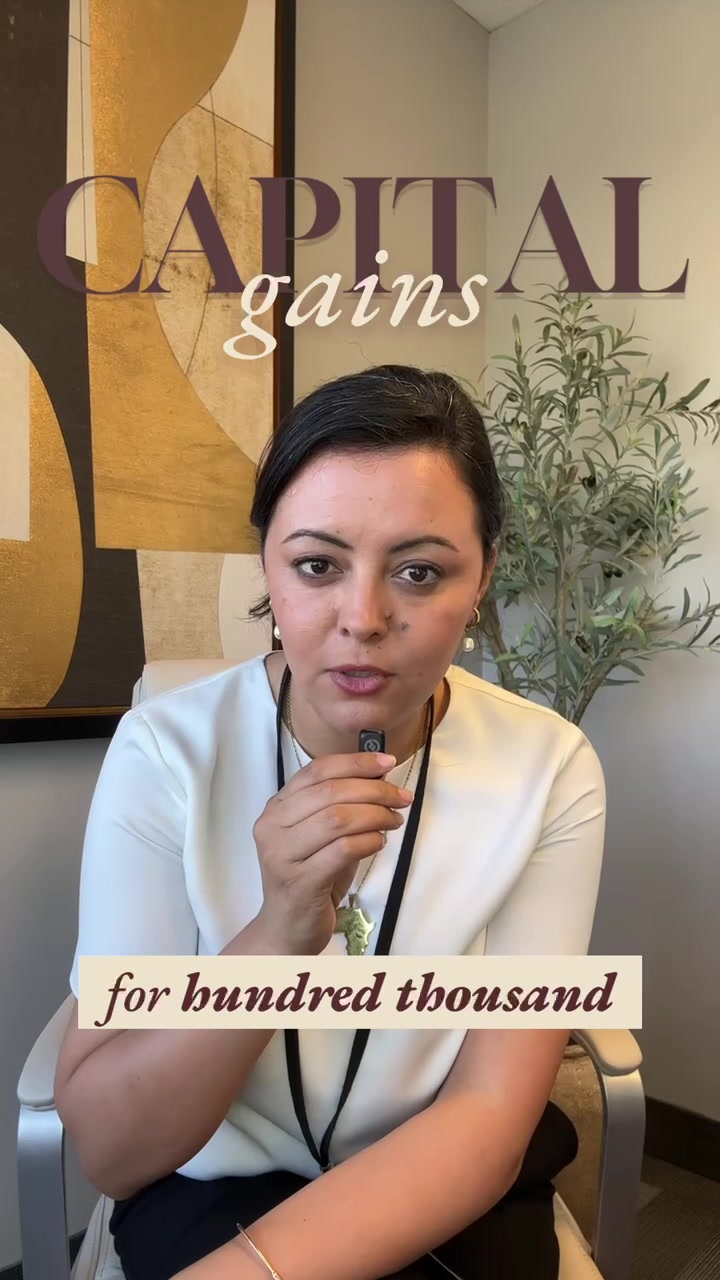
She sold her investment and made a $40,000 profit.
She celebrated… Until tax season arrived.
What she didn’t realize was that selling an investment can trigger a capital gain. Part of that gain may be added to her taxable income.
Then she asked:
“What if I lose money on another investment? Can I deduct that loss from my salary?”
Usually, no.
Capital losses generally offset capital gains. They may also be carried back up to three years or carried forward for future use.
This is where people make costly mistakes.
They focus only on the selling price and forget to ask:
• What is my adjusted cost base?
• What selling expenses apply?
• Do I have unused capital losses?
• Could the timing affect my taxes?
• Does an exemption apply?
The best time to ask these questions is before you sell—not after the transaction is complete.
Are you thinking about selling an investment, rental property, or business asset?
Let’s review the bigger picture before you make your decision.
📞 Amal Kilani
506-962-6675
For sample purposes only.
Source: https://www.canada.ca/en/revenue-agency/services/forms-publications/publications/t4037/capital-gains.html
She celebrated… Until tax season arrived.
What she didn’t realize was that selling an investment can trigger a capital gain. Part of that gain may be added to her taxable income.
Then she asked:
“What if I lose money on another investment? Can I deduct that loss from my salary?”
Usually, no.
Capital losses generally offset capital gains. They may also be carried back up to three years or carried forward for future use.
This is where people make costly mistakes.
They focus only on the selling price and forget to ask:
• What is my adjusted cost base?
• What selling expenses apply?
• Do I have unused capital losses?
• Could the timing affect my taxes?
• Does an exemption apply?
The best time to ask these questions is before you sell—not after the transaction is complete.
Are you thinking about selling an investment, rental property, or business asset?
Let’s review the bigger picture before you make your decision.
📞 Amal Kilani
506-962-6675
For sample purposes only.
Source: https://www.canada.ca/en/revenue-agency/services/forms-publications/publications/t4037/capital-gains.html
Watch video

If you’re self-employed, between roles, or don’t have workplace benefits, gaps in coverage can leave you exposed. Personal health insurance and critical illness coverage can help bridge those gaps and protect your finances if the unexpected happens. Let’s talk about a strategy that’s right for you.
If you’re self-employed, between roles, or don’t have workplace benefits, gaps in coverage can leave you exposed. Personal health insurance and critical illness coverage can help bridge those gaps and protect your finances if the unexpected happens. Let’s talk about a strategy that’s right for you.
You worked hard to build your wealth. But have you thought about what happens to that wealth next?
For business owners and families who have accumulated significant assets, there comes a point when an important question needs to be asked:
How do you protect, manage and eventually transfer what you’ve built?
This is where a family trust may come into the conversation.
A family trust is a legal structure that can hold certain assets for the benefit of selected beneficiaries; often children, grandchildren or other family members.
Depending on the circumstances and how it is structured, a family trust may be used to:
• Hold shares of a private corporation
• Help with business succession
• Transfer wealth to the next generation
• Manage assets for children or other beneficiaries
• Provide a degree of protection from certain creditor risks
• Create potential tax opportunities under Canadian tax rules
But here’s something important:
A family trust is not automatically a tax-saving strategy.
The rules surrounding trusts, taxation, income splitting and the Lifetime Capital Gains Exemption can be complex.
Before asking:
“Should I have a family trust?”
Ask yourself:
“What am I trying to accomplish with the wealth I’m building?”
Maybe you own a corporation that you hope to sell one day.
Maybe you want your children to eventually benefit from the business you’ve built.
Maybe your assets have grown significantly and you’re wondering whether your current structure still makes sense.
Or maybe you’ve heard other business owners talking about family trusts and you’re wondering:
“Could this apply to me too?”
You don’t need to have all the answers.
You just need to start asking the right questions.
📩 Curious to learn more? Reach out to me directly.
📞 506-962-6675
Let’s start the conversation.
For business owners and families who have accumulated significant assets, there comes a point when an important question needs to be asked:
How do you protect, manage and eventually transfer what you’ve built?
This is where a family trust may come into the conversation.
A family trust is a legal structure that can hold certain assets for the benefit of selected beneficiaries; often children, grandchildren or other family members.
Depending on the circumstances and how it is structured, a family trust may be used to:
• Hold shares of a private corporation
• Help with business succession
• Transfer wealth to the next generation
• Manage assets for children or other beneficiaries
• Provide a degree of protection from certain creditor risks
• Create potential tax opportunities under Canadian tax rules
But here’s something important:
A family trust is not automatically a tax-saving strategy.
The rules surrounding trusts, taxation, income splitting and the Lifetime Capital Gains Exemption can be complex.
Before asking:
“Should I have a family trust?”
Ask yourself:
“What am I trying to accomplish with the wealth I’m building?”
Maybe you own a corporation that you hope to sell one day.
Maybe you want your children to eventually benefit from the business you’ve built.
Maybe your assets have grown significantly and you’re wondering whether your current structure still makes sense.
Or maybe you’ve heard other business owners talking about family trusts and you’re wondering:
“Could this apply to me too?”
You don’t need to have all the answers.
You just need to start asking the right questions.
📩 Curious to learn more? Reach out to me directly.
📞 506-962-6675
Let’s start the conversation.
Watch video

How will your wealth support your loved ones? We can help you create a wealth transfer strategy that aligns with your values and provides for those who matter most. Let's build a roadmap that works for your family.
Let's connect and start planning today. https://advisor.sunlife.ca/amal.kilani/
Let's connect and start planning today. https://advisor.sunlife.ca/amal.kilani/
How will your wealth support your loved ones? We can help you create a wealth transfer strategy that aligns with your values and provides for those who matter most. Let's build a roadmap that works for your family.
Let's connect and start planning today. https://advisor.sunlife.ca/amal.kilani/
Let's connect and start planning today. https://advisor.sunlife.ca/amal.kilani/
You started your business with an idea.
Maybe it was a side hustle. Maybe you had one client, then five, then twenty.
At the beginning, you probably asked:
“How do I get started?”
So you registered as a sole proprietor. Or maybe you started with a friend, spouse or business partner.
Then the business grew.
More clients. More revenue. More contracts. Maybe employees.
But did your business structure grow with you?
There are important differences between a sole proprietorship, partnership and corporation.
A sole proprietorship is generally simpler and less expensive to establish.
But the owner generally has unlimited personal liability. Certain business obligations could potentially affect your personal assets.
A partnership allows two or more people to combine their skills, money and experience.
But, partners can also face significant personal liability.
And here’s the trick:
Your partner’s business decisions can affect you too.
What happens if your partner takes on debt? Wants out? Or you disagree about an important decision?
Then there’s the corporation.
A corporation is generally a separate legal entity from its shareholders. Shareholders typically have limited liability, subject to exceptions.
But incorporation isn’t automatically better.
It usually means more costs, administration, accounting and legal work.
So don’t simply ask:
“Which structure is best?”
Ask:
“Which structure makes sense for MY business today?” Maybe you made this decision 5 or 10 years ago.
Your revenue changed. Your risks changed. Your responsibilities changed.
Did you ever revisit the structure you chose?
Here’s the question I want every business owner to consider:
If you were starting your exact business TODAY, would you choose the same structure?
If you’re starting a business, self-employed, working with a partner, considering incorporation, or your business has grown significantly, call me.
Understanding your options can help you ask the right questions before making major decisions.
Your accountant and lawyer can provide advice specific to the tax and legal aspects of your situation.
📞 506-962-6675
Your business has evolved.
Has its structure?
Maybe it was a side hustle. Maybe you had one client, then five, then twenty.
At the beginning, you probably asked:
“How do I get started?”
So you registered as a sole proprietor. Or maybe you started with a friend, spouse or business partner.
Then the business grew.
More clients. More revenue. More contracts. Maybe employees.
But did your business structure grow with you?
There are important differences between a sole proprietorship, partnership and corporation.
A sole proprietorship is generally simpler and less expensive to establish.
But the owner generally has unlimited personal liability. Certain business obligations could potentially affect your personal assets.
A partnership allows two or more people to combine their skills, money and experience.
But, partners can also face significant personal liability.
And here’s the trick:
Your partner’s business decisions can affect you too.
What happens if your partner takes on debt? Wants out? Or you disagree about an important decision?
Then there’s the corporation.
A corporation is generally a separate legal entity from its shareholders. Shareholders typically have limited liability, subject to exceptions.
But incorporation isn’t automatically better.
It usually means more costs, administration, accounting and legal work.
So don’t simply ask:
“Which structure is best?”
Ask:
“Which structure makes sense for MY business today?” Maybe you made this decision 5 or 10 years ago.
Your revenue changed. Your risks changed. Your responsibilities changed.
Did you ever revisit the structure you chose?
Here’s the question I want every business owner to consider:
If you were starting your exact business TODAY, would you choose the same structure?
If you’re starting a business, self-employed, working with a partner, considering incorporation, or your business has grown significantly, call me.
Understanding your options can help you ask the right questions before making major decisions.
Your accountant and lawyer can provide advice specific to the tax and legal aspects of your situation.
📞 506-962-6675
Your business has evolved.
Has its structure?
Watch video

Have questions?
Here to help answer your questions, provide clarity about products and get you started on the road to achieving your goals.

We are contracted with Sun Life Financial Distributors (Canada) Inc., a member of the Sun Life group of companies. Mutual funds distributed by Sun Life Financial Investment Services (Canada) Inc.